

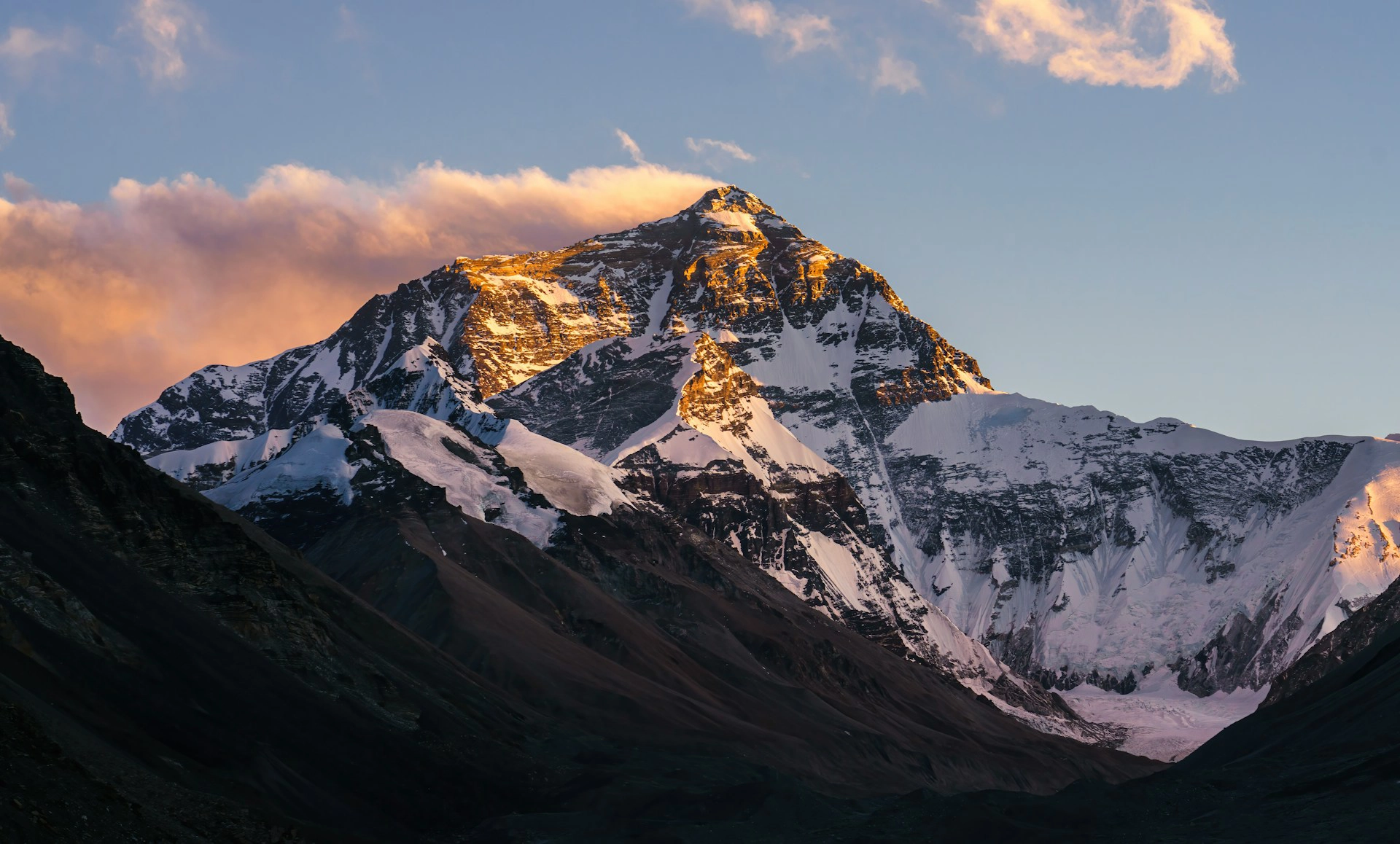
The Everest Panorama Trek designed for 2026 is the ideal way to get a taste of the Everest region;...
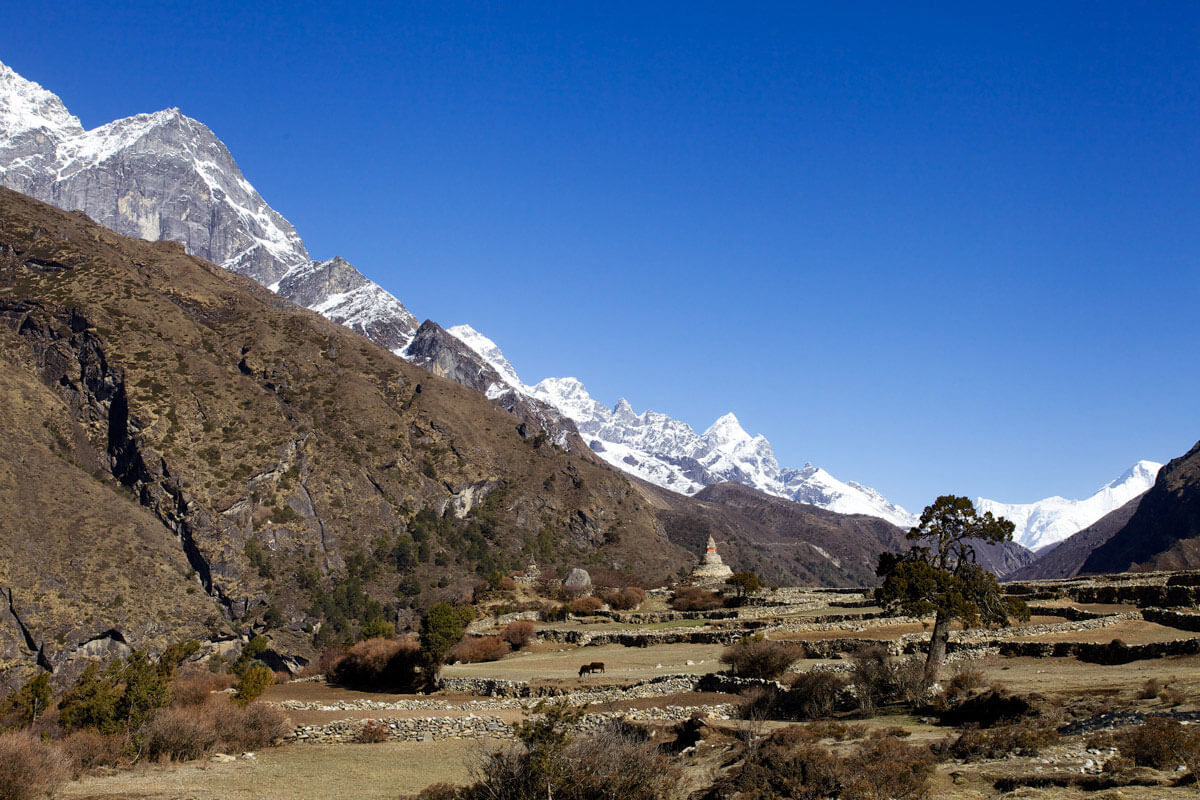
The Everest Region, also known as the Khumbu Region, is one of the world’s most iconic mountain destinations and a dream for trekkers, climbers, and adventure enthusiasts. Nestled in northeastern Nepal, this spectacular region is home to Mount Everest (8,848.86 m), the highest mountain on Earth, along with several other legendary peaks, including Lhotse, Nuptse, Ama Dablam, Thamserku, and Pumori. With its breathtaking landscapes, rich Sherpa culture, and world-famous trekking routes, the Everest Region offers an unforgettable Himalayan experience.
The journey into the Everest Region begins with a scenic flight to Lukla or an overland approach through the lower Solu region. From there, well-established trails wind through picturesque Sherpa villages, dense pine and rhododendron forests, suspension bridges draped with colorful prayer flags, glacial rivers, and dramatic alpine valleys. Every step reveals stunning mountain vistas that become even more impressive as you gain altitude.
One of the region’s greatest attractions is its vibrant Sherpa heritage. Visitors have the opportunity to experience the warm hospitality of the Sherpa people, explore centuries-old Buddhist monasteries, admire intricately carved mani stones, spin prayer wheels, and witness the spiritual traditions that have shaped life in the Himalayas for generations. The famous Tengboche Monastery, set against the backdrop of Ama Dablam, is one of the most significant spiritual landmarks in the region.
The Everest Region offers a wide variety of trekking experiences suitable for different interests and fitness levels. The legendary Everest Base Camp Trek remains one of the most sought-after adventures in the world, while the Gokyo Lakes Trek, Everest Three Passes Trek, Everest Panorama Trek, and Island Peak Climbing provide equally rewarding alternatives. Each route showcases unique landscapes, spectacular viewpoints, and unforgettable encounters with Himalayan culture.
Popular Tours
More adventures calling your name
Start your Journey
- Destinations
- Travellers choice
- Best on adventure
Why travel with us
Creating Extraordinary Journeys Across the Himalayas

Personalized Travel Experiences
Experience breathtaking landscapes, authentic local cultures, and carefully crafted itineraries designed to make every journey seamless and memorable.

Responsible & Sustainable Tourism
We are committed to protecting nature, respecting local cultures, and promoting sustainable travel practices that benefit future generations.

Safety First, Always
From experienced guides to well-planned logistics, your safety, comfort, and peace of mind remain our highest priorities.

Support Local Communities
Our journeys create meaningful opportunities for local guides, porters, artisans, and businesses, helping communities thrive.

Local Himalayan Specialists
Our team brings extensive regional knowledge, insider insights, and years of hands-on experience in the Himalayas.

Guaranteed Departures
Book with confidence knowing your confirmed trip will operate as scheduled, allowing you to plan your adventure without uncertainty.
Things to do
Adventures Crafted for Every Kind of Explorer





-
Do I need to book a trip to Nepal in advance?
Booking your trip to Nepal in advance is highly recommended, especially if you plan to visit during the popular spring (March to May) or autumn (September to November) trekking seasons. While last-minute bookings are possible, reserving your trip early guarantees your preferred itinerary, accommodations, domestic flights, and experienced guides.
-
Do I need vaccinations to travel to Nepal?
There are no mandatory vaccinations required for most travelers entering Nepal, unless you are arriving from a country where yellow fever is present. However, several vaccinations are recommended to protect your health while traveling.
-
How many days should I spend in Nepal?
The ideal length of your stay depends on your travel plans. For a cultural sightseeing holiday, 5–7 days is generally enough to explore Kathmandu, Bhaktapur, Patan, and Pokhara.
-
What is the best way to train for the trek?
Proper preparation will make your trekking experience safer and more enjoyable. Begin training at least 8–12 weeks before your departure by focusing on cardiovascular fitness, leg strength, endurance, and flexibility.